
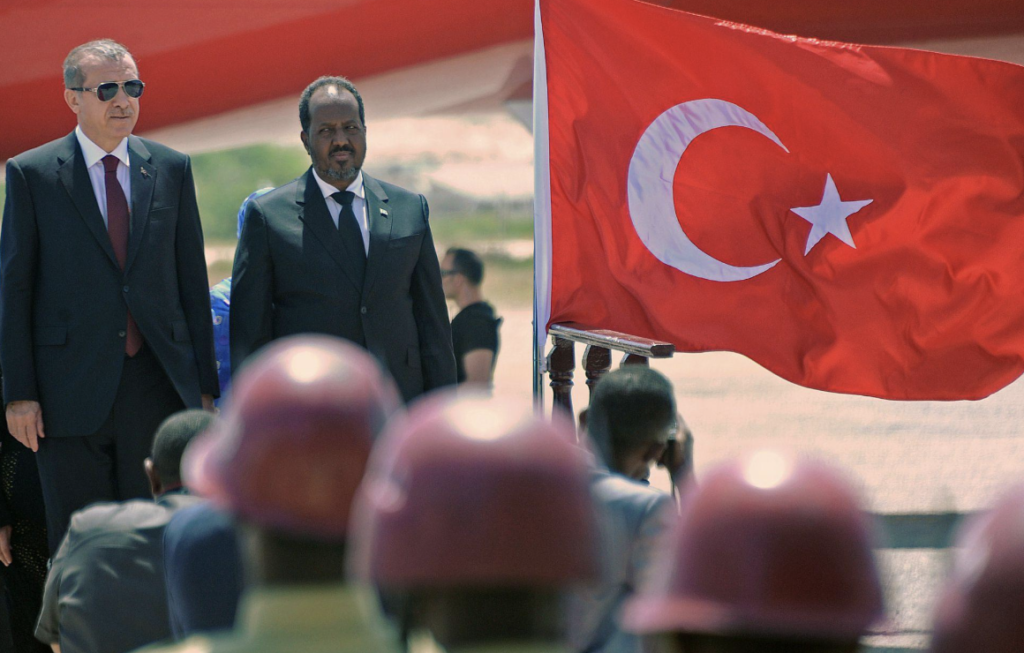
Introduction: A Silent War Is Brewing
While the world watches conflicts in the Middle East and Eastern Europe, a quieter, but potentially more consequential, geopolitical contest is taking shape in the Horn of Africa.
At the center of it all lies a simple but powerful reality:
Control the Red Sea, and you influence global trade.
And now, countries like Turkey and Israel are positioning themselves, carefully, strategically, and deliberately.
Why the Red Sea Matters More Than You Think
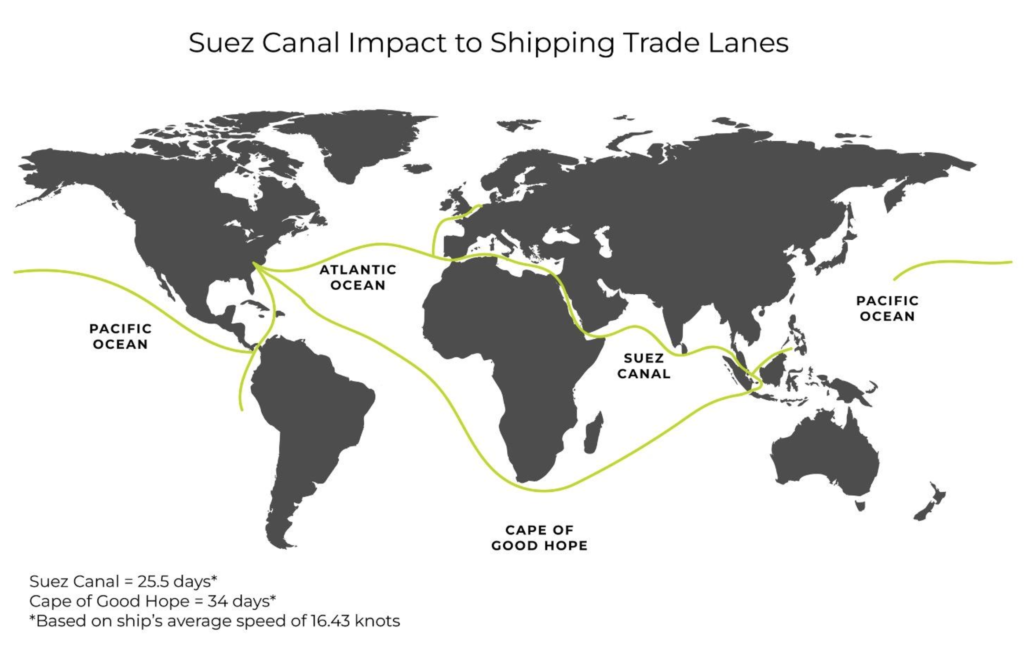
The Red Sea is not just water. It is a global economic lifeline.
- Connects Europe to Asia via the Suez Canal.
- Handles roughly 10–15% of global trade.
- Critical for:
- Oil shipments.
- Food supply chains.
- Manufactured goods.
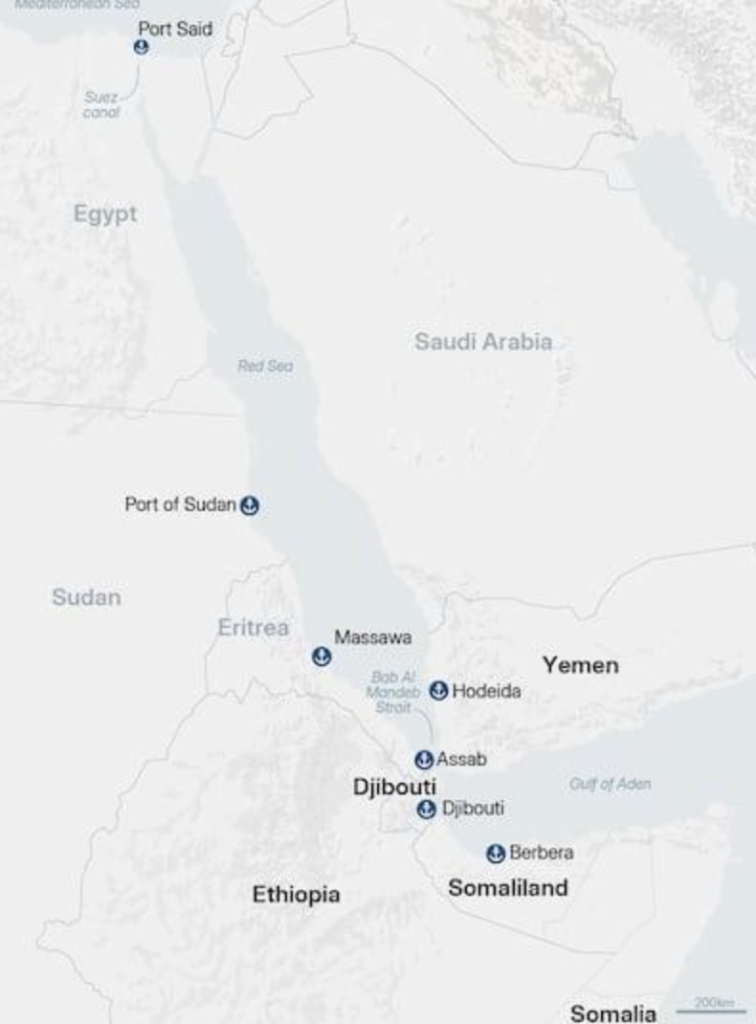
At its narrowest point lies the Bab el-Mandeb Strait: a chokepoint so critical that any disruption sends shockwaves across global markets.
When ships stop here, prices rise everywhere—including in Nairobi, Lagos, and London.
Turkey’s Strategy: Influence Through Infrastructure


Turkey is not acting randomly. Its approach is calculated and long-term.
What Turkey is doing:
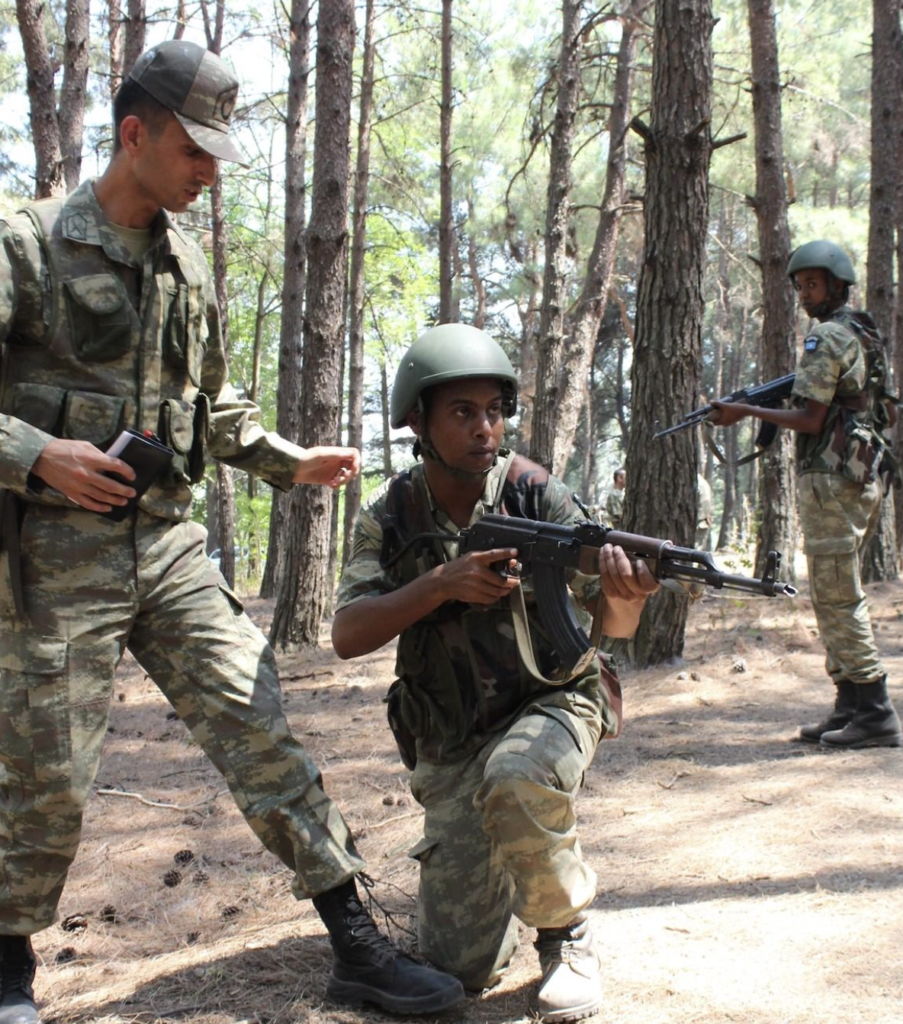
- Running its largest overseas military base in Mogadishu.
- Managing key infrastructure (ports & airport).
- Building deep political ties with Somalia.
- Exploring energy opportunities offshore.
The strategy:
Win influence by building what the country needs.
Roads. Ports. Security. Training.
This creates:
- Dependence.
- Loyalty.
- Long-term leverage.
Israel’s Strategy: Security First, Influence Second


Israel’s interest is less visible, but equally strategic.
What Israel wants:
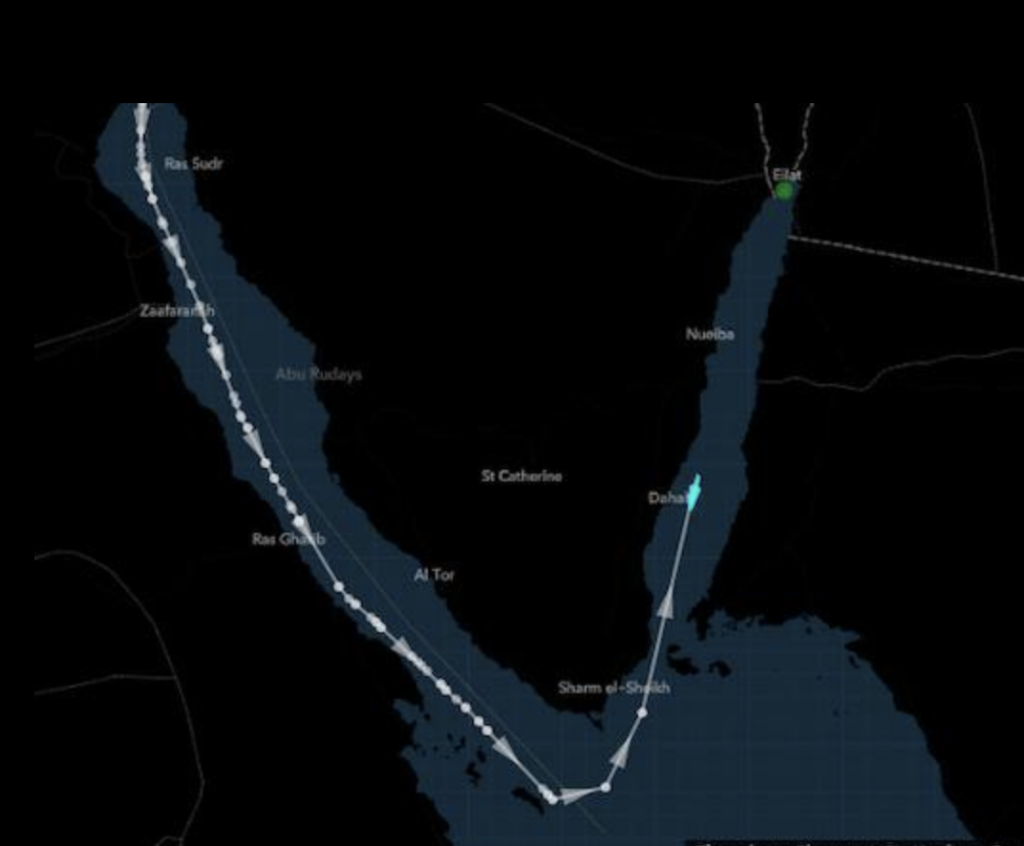
- Secure access to the Red Sea via Eilat.
- Counter threats from hostile groups (especially Iran-linked actors).
- Build intelligence and surveillance reach.
- Strengthen regional alliances quietly.
The strategy:
Never allow a hostile force to control your lifelines.
Why Somalia and Somaliland Are the Prize!

This is where geopolitics meets geography.
Somalia:
- Internationally recognized.
- Backed strongly by Turkey.
- Still rebuilding institutions.
Somaliland:
- Not widely recognized, but relatively stable.
- Controls the Berbera Port, a major strategic asset
Why these territories matter:
- Direct access to global shipping lanes.
- Ports = economic and military leverage.
- Potential oil and gas reserves.
- Political fragmentation → easier foreign entry.
Is This a War? Not Yet.
Despite the headlines, this is not an active military conflict between Turkey and Israel.
It is something more subtle, and often more dangerous:
A strategic positioning game.
- Influence over governments.
- Control over infrastructure.
- Long-term military access.
No bullets.
But very high stakes.
What Happens Next?
1. More Global Players Will Join
Expect increased activity from:
- UAE.
- China.
- United States.
- Gulf states.
2. Infrastructure Becomes the New Weapon
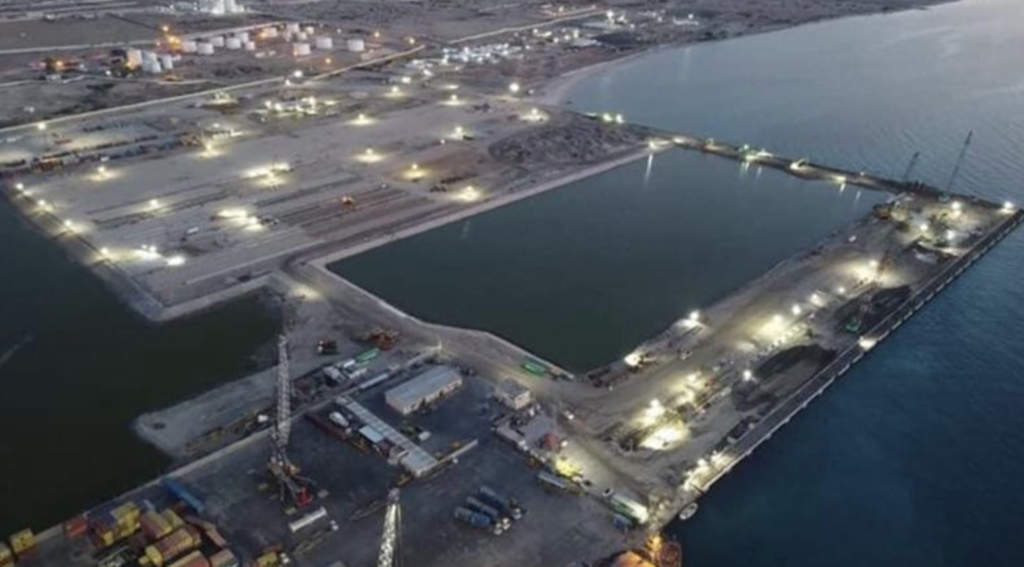
Ports, railways, and logistics corridors will define power.
The country that builds—controls.
3. Energy Exploration Will Intensify
Oil and gas discoveries could accelerate competition.
4. Proxy Tensions May Rise
Instead of direct conflict:
- Local actors align with foreign powers.
- Political instability increases.
5.Global Trade Will Remain Vulnerable
Any disruption in the Red Sea:
- Raises fuel prices.
- Increases food costs.
- Impacts diaspora remittances indirectly.
The Hidden Risk Africa Must Pay Attention To….
This is the uncomfortable truth:
Africa risks becoming the ground where global powers compete—again.
History has shown:
- External competition + weak institutions = long-term instability
Golden Tai Insight:-
This is not just geopolitics.
This is economics, power, and Africa’s future.
The Horn of Africa is quietly becoming one of the most important regions in the world.
The question is no longer:Will global powers come?
The question is: Who will benefit most, Africans or external players?
Conclusion:
- The Red Sea is a global economic artery.
- Turkey and Israel are strategically positioning-not fighting (yet).
- Somalia and Somaliland sit on a geographic jackpot.
- The region is entering a new era of geopolitical competition.
Disclaimer:This article is for informational and educational purposes only. It does not constitute financial, political, or investment advice. Readers are encouraged to conduct their own independent research and consult appropriate professionals before making decisions based on this content.
Leave a Reply