
Kenya’s banking sector remains strong, profitable and well-capitalised, but it is entering a more difficult phase. The easy profit boost from high interest rates is fading as the Central Bank of Kenya has cut and then paused its policy rate at 8.75%. CBK says lending rates are declining and private-sector credit growth is improving, but it is monitoring inflation risks from higher global energy prices. (Central Bank of Kenya)

The main story is this: banks are still making money, but growth is slowing, bad loans remain elevated, and regulation is forcing consolidation.
Macroeconomic and interest-rate environment;
The biggest change affecting banks is the interest-rate cycle. After a period of high rates, CBK’s Monetary Policy Committee retained the Central Bank Rate at 8.75% on 8 April 2026. CBK stated that average lending rates had continued to decline and private-sector credit growth had continued to improve. (Central Bank of Kenya)
This matters because Kenyan banks benefited heavily from high interest income during the high-rate period. As rates fall, banks face pressure on margins, especially if loan pricing falls faster than funding costs or if competition intensifies.
Profitability: still strong, but slowing;

Listed Kenyan banks recorded 15.1% growth in core earnings per share in FY2025, compared with 25.7% in FY2024. That means banks are still profitable, but profit growth has slowed materially.
The slowdown came mainly from weaker non-funded income. Cytonn reports that non-funded income growth slowed to 1.9% in FY2025, from 12.2% in FY2024, partly because foreign-exchange income reduced as dollar demand and FX volatility eased.
In simple terms: banks are still profitable, but they are relying too much on interest income.
Lending is recovering
After a weak lending environment in 2024, loan growth has started recovering. Listed banks’ net loans and advances grew by a weighted average of 8.9% in FY2025, compared with a 7.7% decline in FY2024.
This is important because it suggests banks are slowly returning to lending after a period of caution. Lower interest rates should support more borrowing by households and businesses. However, banks remain selective because credit risk is still high.
Bad loans remain the biggest risk;
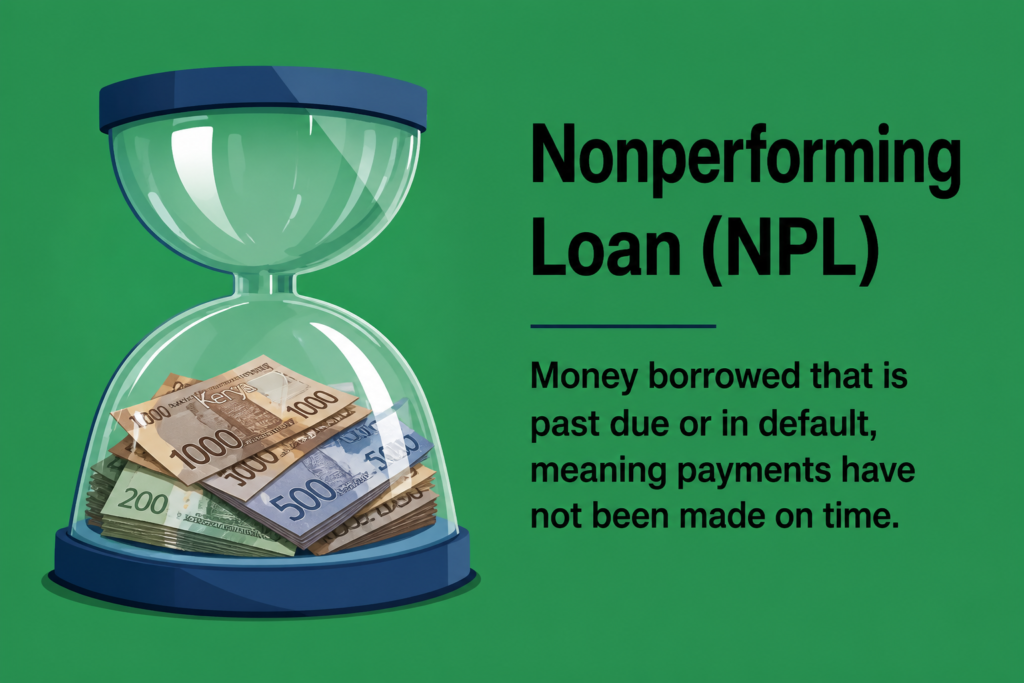
Non-performing loans remain one of the most important weaknesses in the sector. Moody’s expected Kenya’s sector-wide NPL ratio to decline toward 15% over 12–18 months, from 16.5% in November, supported by lower lending rates, credit growth and payment of pending bills. (Business Daily)
This is an improvement, but a 15% NPL ratio is still high. It means a significant portion of bank loan books is either not paying on time or is under stress.
The key sectors to watch are likely to remain:
- real estate,
- trade,
- construction,
- personal/household lending,
- SMEs exposed to weak cash flow,
- government-dependent suppliers affected by pending bills.
Capital strength is good, but new rules will reshape the sector;
Kenya’s banking sector is well capitalised. The Kenya Bankers Association reported that in 2024 the sector’s total capital to risk-weighted assets ratio was 19.7%, above the minimum requirement of 14.5%. Core capital to risk-weighted assets was 17.4%, also above the 10.5% minimum.
However, regulation is getting tougher. Kenya has increased minimum core capital requirements for banks from KSh 1 billion to KSh 10 billion by 2029, on a phased basis. This is very significant. It will likely lead to:
- mergers and acquisitions,
- capital raising by smaller banks,
- exit of weak players,
- stronger dominance by large banks,
- possible entry of well-capitalised new banks.
New bank licensing has reopened;
CBK announced that it would lift the moratorium on licensing new commercial banks with effect from 1 July 2025. The moratorium had been in place since 17 November 2015. (Central Bank of Kenya)
This opens the market to new entrants, but the higher capital requirement means only serious, well-capitalised investors can enter. This could bring more competition, digital innovation and foreign strategic investors, but it could also pressure smaller local banks.
Government securities remain attractive to banks;
Listed banks increased investment in government securities by a weighted average of 17.4% in FY2025, up from 15.4% in FY2024.
This tells us banks are still finding government paper attractive because it is relatively safe and offers predictable income. The risk is that too much bank money going into government securities can reduce lending appetite to businesses and households.
This is the classic problem: banks earn safely from government debt, while SMEs struggle to access affordable credit.
Digital banking remains a major growth engine;

Kenya’s banks are increasingly becoming digital financial platforms rather than traditional branch-based institutions. The sector is investing heavily in:
- mobile banking,
- agency banking,
- digital lending,
- payment platforms,
- AI-driven credit scoring,
- data analytics,
- cybersecurity.
But digital banking is also creating new risks:
- fraud,
- cybercrime,
- data privacy issues,
- irresponsible digital lending,
- customer complaints from failed transactions or system downtime.
The next competitive advantage will not just be branch network size. It will be trust, speed, data, pricing and customer experience.
Regional expansion is becoming strategic
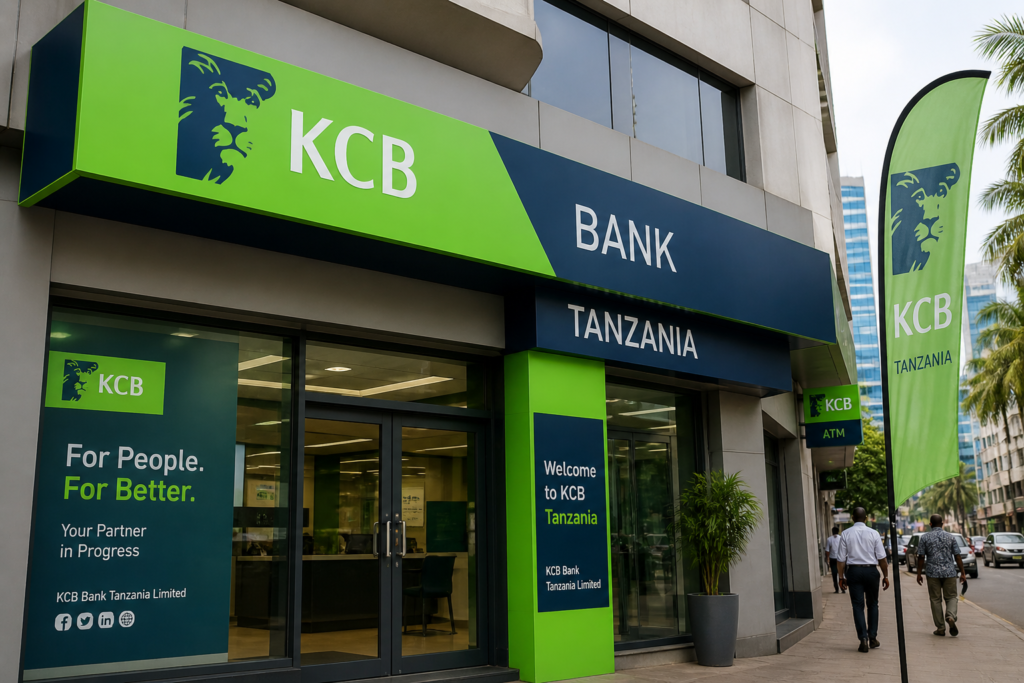
Large Kenyan banks are expanding beyond Kenya into East and Central Africa. KCB, Equity, Co-operative Bank, NCBA, I&M and others are increasingly looking at regional income diversification.
KCB reported 2025 pre-tax profit growth of 11%, with subsidiaries outside Kenya contributing 31% of group pre-tax profit. (Reuters)
This is important because Kenyan banks are no longer just local lenders. They are becoming regional financial groups, following trade, diaspora flows, SMEs and cross-border payments.
Key risks facing the sector
The main risks are:
- Credit risk: Bad loans remain high, especially among SMEs, households and sectors affected by delayed payments.
2. Margin compression: Falling interest rates may reduce net interest margins.
3. Government exposure: Heavy investment in government securities links banks closely to fiscal risk.
4. Regulatory pressure: Higher capital requirements may strain smaller banks.
5. Cyber and fraud risk: Digital banking growth increases operational and cyber exposure.
6. Economic slowdown: Weak private-sector activity would reduce loan demand and increase defaults.
Outlook for 2026–2027;

The outlook is stable but not risk-free. Large banks are likely to remain strong because they have:
- cheaper deposits,
- better capital,
- stronger digital platforms,
- diversified income,
- regional subsidiaries,
- stronger risk management.
Smaller banks face more pressure because of:
- higher capital requirements,
- weaker deposit franchises,
- limited technology budgets,
- higher credit risk,
- possible merger pressure.
The likely direction of the sector is:
fewer but stronger banks, more digital banking, more regional expansion, tighter regulation, and slower but still positive profitability growth.
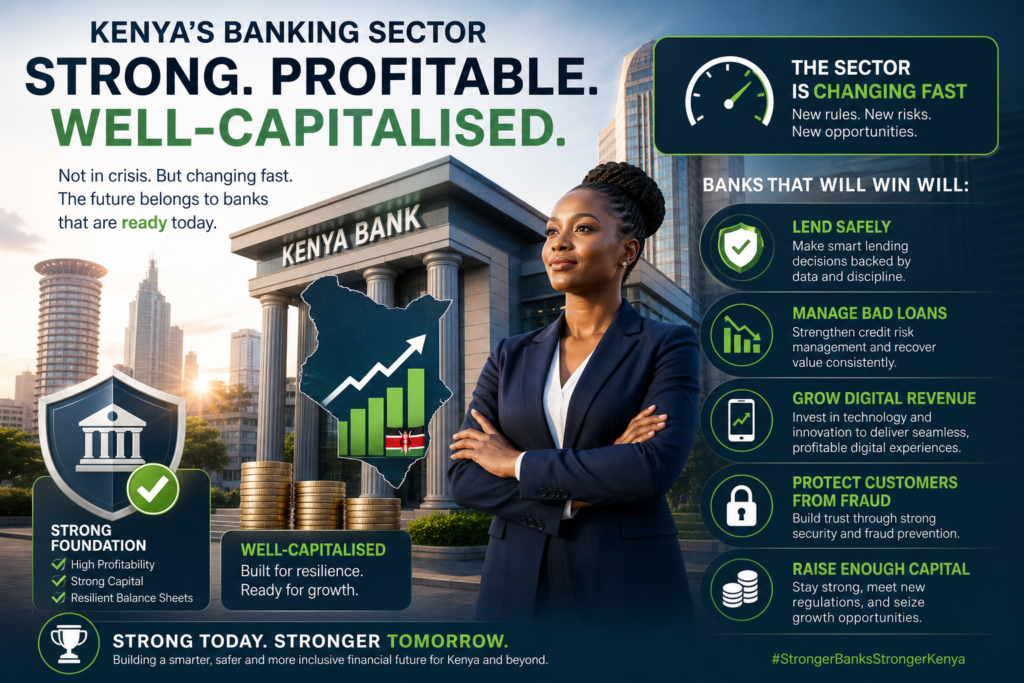
Kenya’s banking sector is not in crisis. It is strong, profitable and well-capitalised. But the sector is changing fast. The banks that will win are those that can lend safely, manage bad loans, grow digital revenue, protect customers from fraud, and raise enough capital to compete under the new rules.
Leave a Reply